What is reticulated water?
Reticulated water, often called ‘town water’, is the network of pipes and systems that distribute drinking water from a treatment plant to homes and businesses. It forms a crucial urban infrastructure, essentially the entire piped system that delivers water to its final point of use.
How long after an emergency can relief drinking water be supplied?
The aim of this program is to supply safe drinking water for an impacted community following a bushfire. Drinking water can be supplied once a decision is made to commence the program for that community, as identified in the eligibility map.
The program will continue to operate while eligibility maps remain published on this website. Applications may be considered on a case-by-case basis for properties within existing fire areas, as reflected in eligibility maps. by case basis for properties within existing fire areas, as reflected in eligibility maps.
If eligibility maps are still available on this website, funding for relief drinking water for the event remains available.
What relief drinking water service is provided?
Each eligible household will receive a single delivery of up to 20,000 L of relief drinking and domestic water for essential use. To avoid leaving households without water for non-potable uses, tanks should only be drained once the water delivery has been confirmed. Tanks must be drained prior to delivery to ensure clean water.
What makes a household eligible for relief drinking water?
A bushfire affected area is where water-bombing activities have occurred, and fire retardants, ash or debris have fallen directly onto properties. If you live in a bushfire affected area your private drinking water could be contaminated from debris, ash, dead animals, aerial fire retardants and water-bombing.
If the water tastes, looks or smells unusual, do not drink, use for food preparation, brushing teeth or give to animals (pets or livestock). Use bottled water for drinking and apply for relief drinking water.
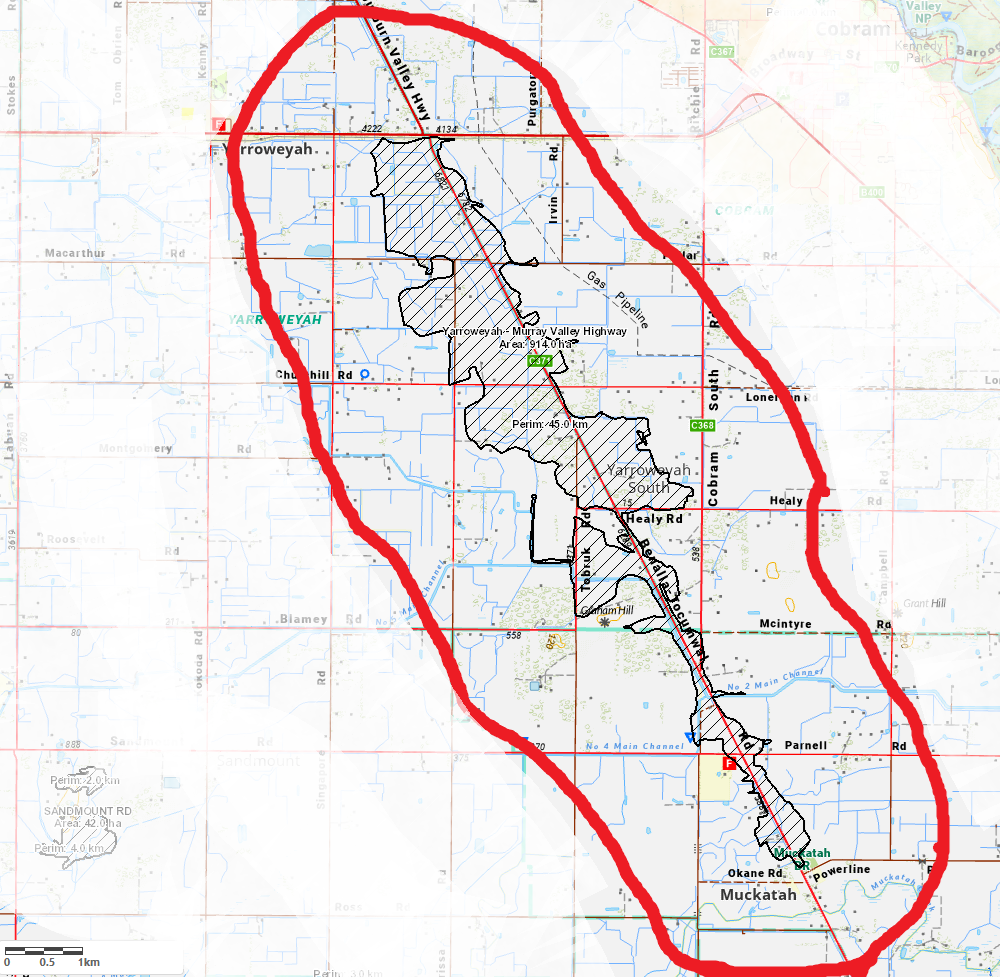
A map will be prepared that defines the area where household tank contamination has reached a level not suitable for drinking and domestic use. In the case of bushfire, the map will include the area directly burnt by the fire plus it may include an additional zone where smoke carrying ash and soot may have caused contamination of tank water.
Even if a map has not been prepared for your area yet, you’re still encouraged to apply for relief drinking water.
In non-bushfire affected areas, smoke tainted rainwater is unlikely to be a health concern. If you are concerned about the taste of your rainwater, use bottled water for drinking and continue to use your rainwater for other uses.
My roof, tank and gutters are contaminated by bushfire ash and soot – is cleaning included?
Hosing off rooftops and tanks contaminated by bushfire ash and soot is the households responsibility. For more information visit:
If a landholder requires assistance to have their tank, gutter or roofs cleaned, they may be eligible for funding via Recovery water tank rebates.
The signs of water contamination include your water looking, smelling or tasting unusual. Do not use the water for drinking or food preparation. Do not give water to animals.
Boiling water does not remove fire retardants or other chemicals from your water.
Do not reconnect tanks until:
- the rooftop is clean
- the bushfire has passed
- the smoke has subsided.
Water quality depends on tank condition and extent of contamination. Boiling water would be prudent, and allow 24 hours for settlement in with advice from Department of Health Better Health Channel Guidance for Water Tanks.
What should I do to protect my tank after a bushfire?
If you did not disconnect your downpipes before the bushfire passed, disconnect them as soon as possible and before delivery of relief drinking water. You can also:
- activate the first flush diverters
- block the inlet to the downpipes with waxed cardboard boxes or thick plastic.
Before reconnecting or opening the inlet to your downpipes, you should either:
- hose off your roof catchment area
- clean or wait for a good period of rain to flush and prevent contaminants from entering your tank.
Always take care when cleaning your roof manually. Finding a professional cleaner is a good option.
Find out about other relief and recovery offerings
Relief and recovery support is available for people impacted by the January 2026 Victorian bushfires.
I cannot return home or my tank has been lost in the fire, where can I access drinking water?
Households who require immediate access to drinking water should contact the emergency relief centres in the affected area.
Households that have lost their drinking water tank in the emergency should contact a recovery support worker via a local Recovery Hub, or call 1800 560 760 for guidance on accessing financial support, including rebates for damaged tank systems. Eligibility criteria apply.
I need more than 20,000L – where can I access additional water?
If you have run out of tank water, you can access designated Supply Points, which are typically council bores or water corporation standpipes.
How to access: Locate your nearest Supply Points using the Department of Energy, Environment and Climate Action (DEECA) interactive map.
Permits: You may need to contact your local council, for example Pyrenees Shire Council, to obtain a permit for access. This allows them to monitor water levels and ensure sustainability.
Costs: While some water is provided, costs may apply for commercial use or at certain standpipes.
The government has a drought relief package, which includes subsidies for water carting.


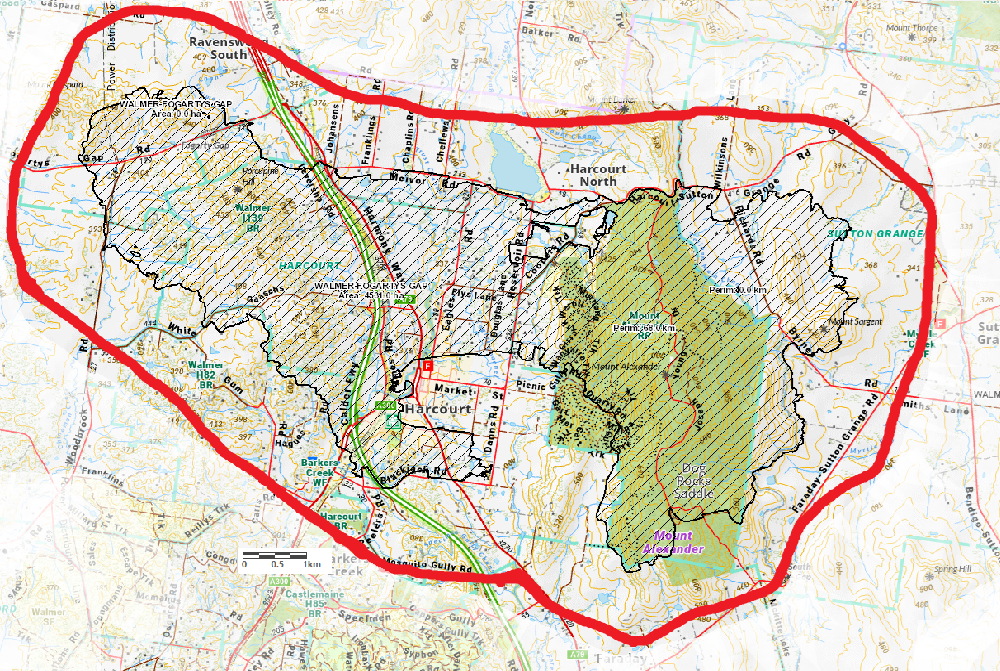

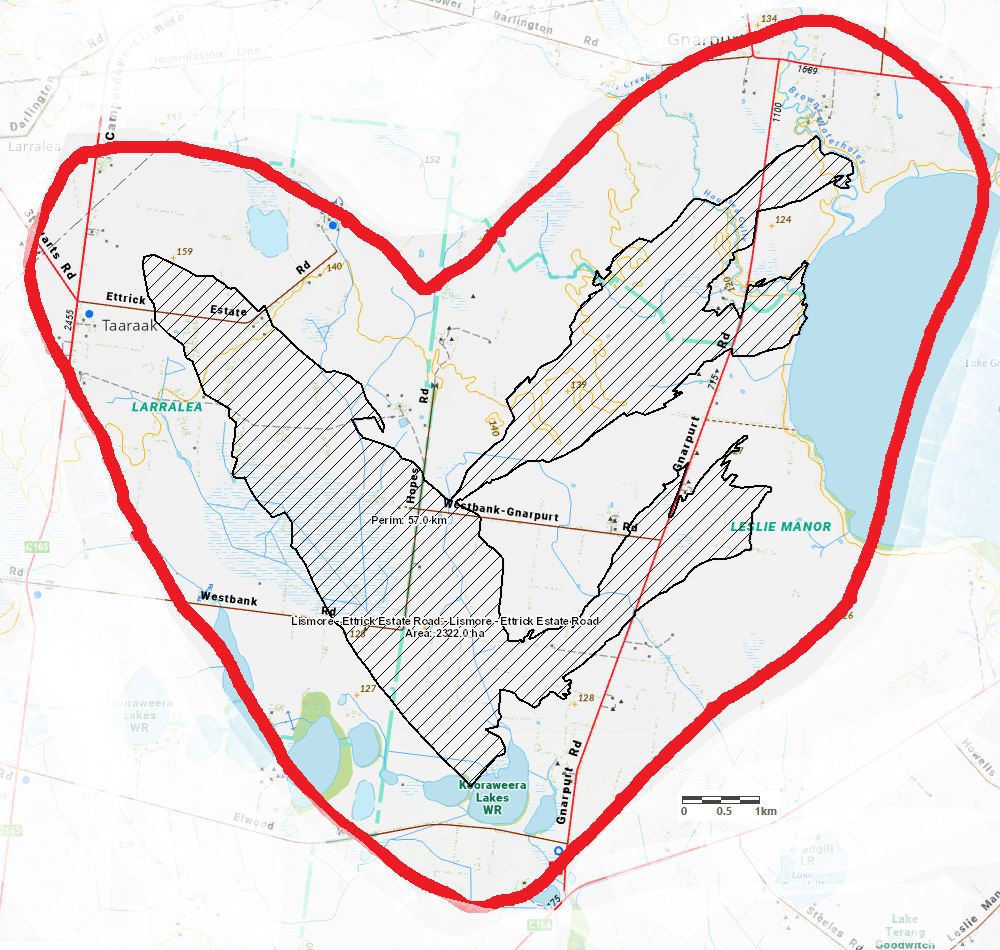

 View a larger version of this map
 View a larger version of this map