Learn about drought and dry conditions in Victoria, how they are managed by the water sector, and the support initiatives available through the Victorian Government.
On this page:
Victoria has a naturally variable and often dry climate, and water is essential to our communities, environment and economy. As our climate changes, less water is flowing into rivers and storages, particularly due to reduced autumn rainfall. This affects how much water is available throughout the year.
Victoria is working to become more resilient to drought and dry conditions. Climate research and long‑term planning help the water sector understand changing water availability, while people, communities and businesses continue to improve how water is used and managed. These efforts help protect water supplies and support both regional and urban areas during dry times.
Responding to drought and dry conditions
Parts of Victoria are currently experiencing dry conditions, and the Victorian Government and water sector are actively responding and supporting communities.
Victoria uses a Drought Preparedness and Response Framework to guide clear, consistent decisions about water use and community support. This helps decide how to manage and recover from dry conditions, including what support is available.
Victoria’s framework follows the National Drought Agreement 2024–29 (NDA). The NDA sets out how all governments work together to help communities prepare for, manage through, and recover from drought.
Managing drought requires a coordinated response across government, industry and community. To support this effort, the Premier’s Drought Response Taskforce was established in June 2025.
Government drought response
The Victorian Government is providing more than $146.5 million in direct support to help farmers and communities across Victoria impacted by drought. Agriculture Victoria leads the coordination of the Victorian Government’s drought response.
This includes initiatives such as Look Over the Farm Gate and on-farm improvement grants. These programs aim to keep essential water available for farms and towns, support local jobs during dry periods, and strengthen long-term water security across regions.
The Water and Catchments Group is delivering a range of water sector initiatives ($25 million):
Improving access to emergency stock and domestic water supply for regional Victorians ($5.5 million)
This funding will deliver a suite of programs to improve access to emergency stock and domestic water supply for regional Victorians in drought affected areas.
This includes a review and upgrade of Victoria’s statewide Emergency Water Supply Point Network. It also includes a pilot program, managed by Southern Rural Water, to facilitate access to under-utilised groundwater bores under the Farmer Helping Farmer banner.
Mininera Rural Pipeline Project ($15 million)
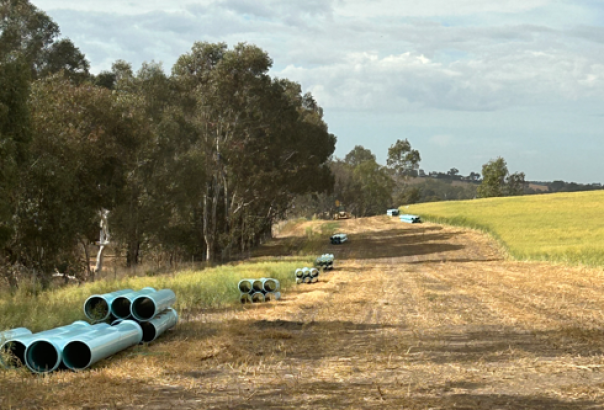
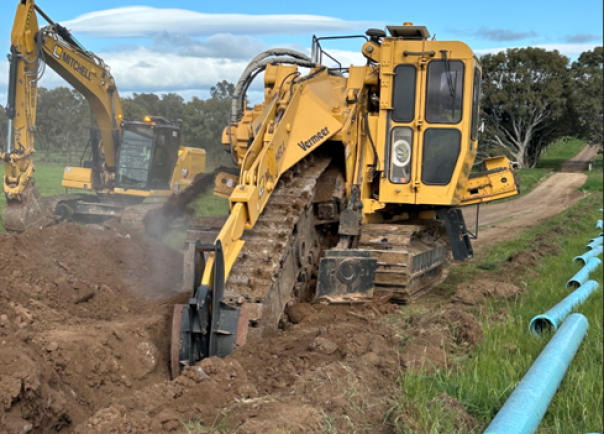
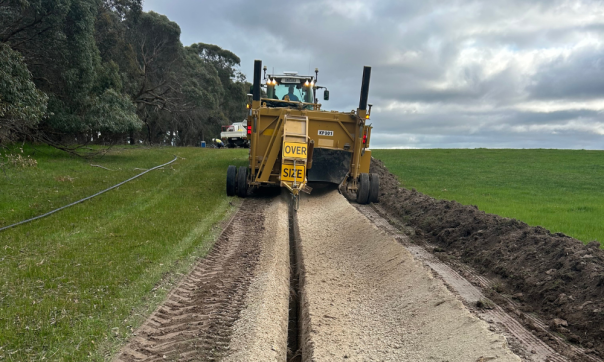
The Mininera Rural Pipeline project will extend the current East Grampians Rural Pipeline into the Mininera District at the southern end of the Grampians Region.
It will provide hundreds of additional rural properties with piped supply of reliable, secure and high-quality water year-round. The pipeline will provide improved water quality and security for several towns and infrastructure for fire-fighting options in the region.
New Western Region Sustainable Water Strategy ($3.5 million)
This funding will be used to develop a new Western Region Sustainable Water Strategy in collaboration with key stakeholders, water agencies, Traditional Owners, and the community.
The new Western Region SWS will build off lessons learnt from the 2011 Western Region SWS and community views on current water issues across the region.
Catchment Management Authority-led Drought Employment program in south west Victoria ($1 million)
The Drought Employment Program will provide meaningful off-farm employment opportunities for people experiencing hardship because of dry conditions. The program is being offered in the Glenelg Hopkins CMA and Corangamite CMA regions.
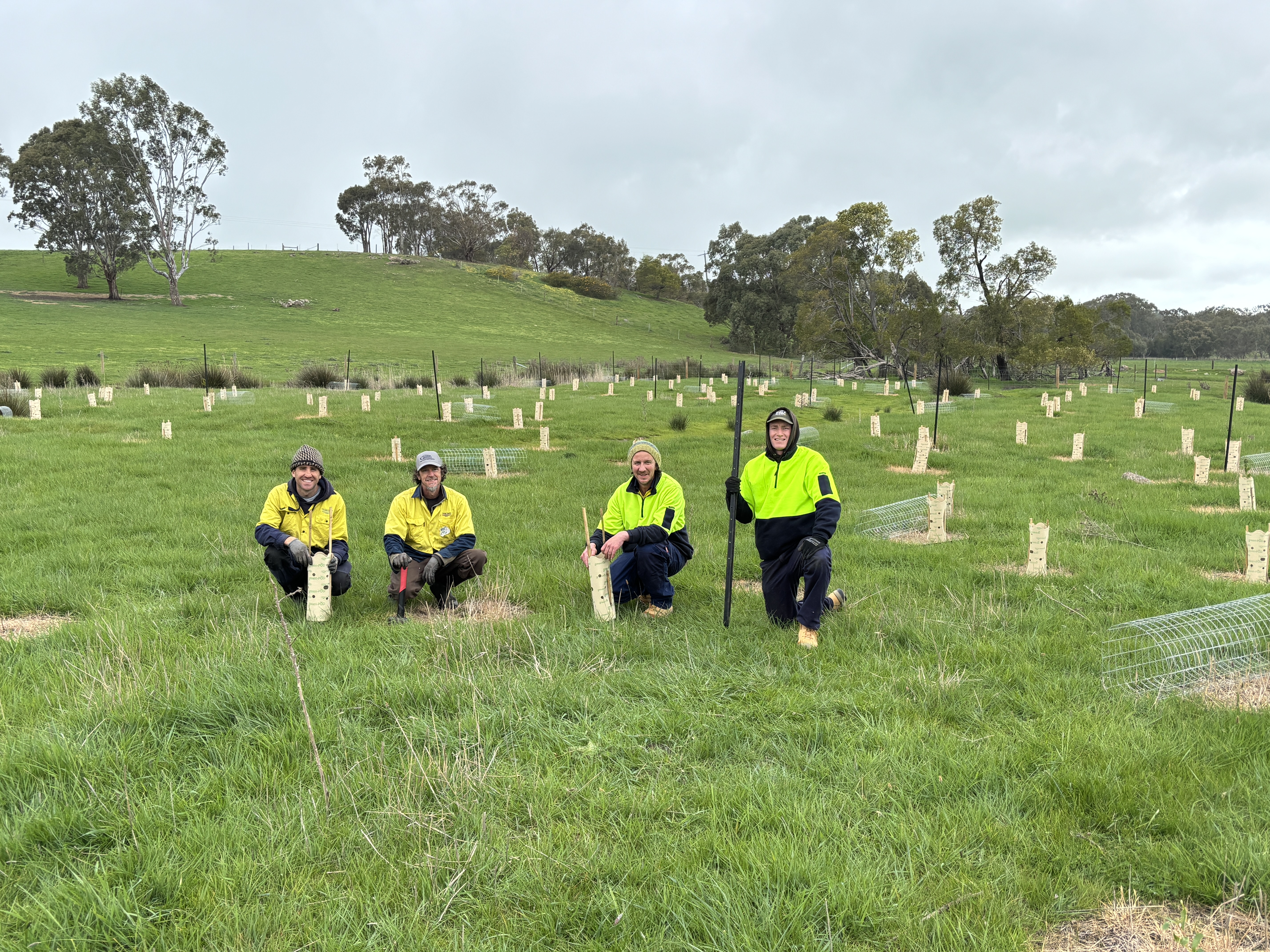
The program will accelerate essential activities to improve catchment condition and care for waterways at priority sites including pest and weed control, riparian fencing, and revegetation.
The dry conditions experienced between 1996 and 2010 are described as the Millennium Drought. These conditions brought about changes to water management in Victoria. These changes mean communities today are better positioned for future drought planning.
how water managers strengthened our water planning framework and entitlements
better ways to manage future dry conditions
steps taken to ensure fair, efficient and appropriate use of water
how to address low water availability.
We research the climactic conditions across Victoria to make informed decisions and provide guidance for water resource management. The Victorian Water and Climate Initiative research program helps us better understand our climate and water resources. Water corporations then use this research to decide whether restrictions are needed, how to plan supply, and how to support communities during dry times.
Tracking water availability provides vital information that informs drought and dry condition forecasting, planning, response, and recovery. Following these updates can help you prepare earlier for dry conditions.
Annual water outlook – This annual report outlines actions water corporations will put in place to cope with any water shortages if they arise.
Water in your region – An interactive map showing important water resource information. As well as finding locations of storages and water facilities, users can search for any residential or business address in the state and find relevant information about their water services.
Water corporations managing drought and dry conditions
-
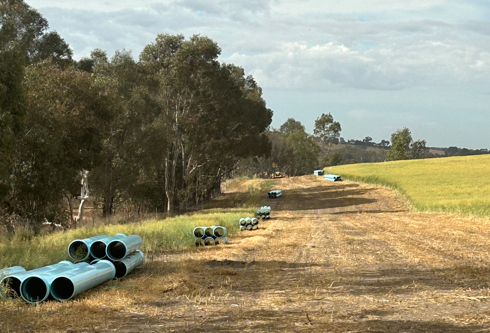
PVC Pipe being placed prior to installImage credit: Grampians Wimmera Mallee Water
-
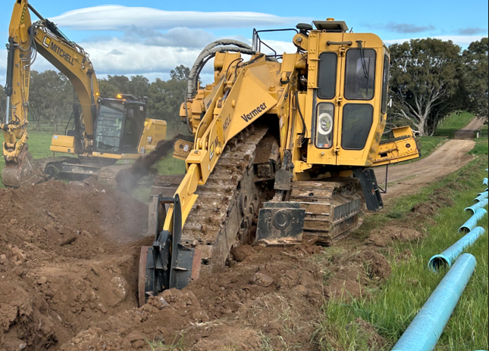
Vermeer Track Trenching for large PVC PipeImage credit: Grampians Wimmera Mallee Water
-
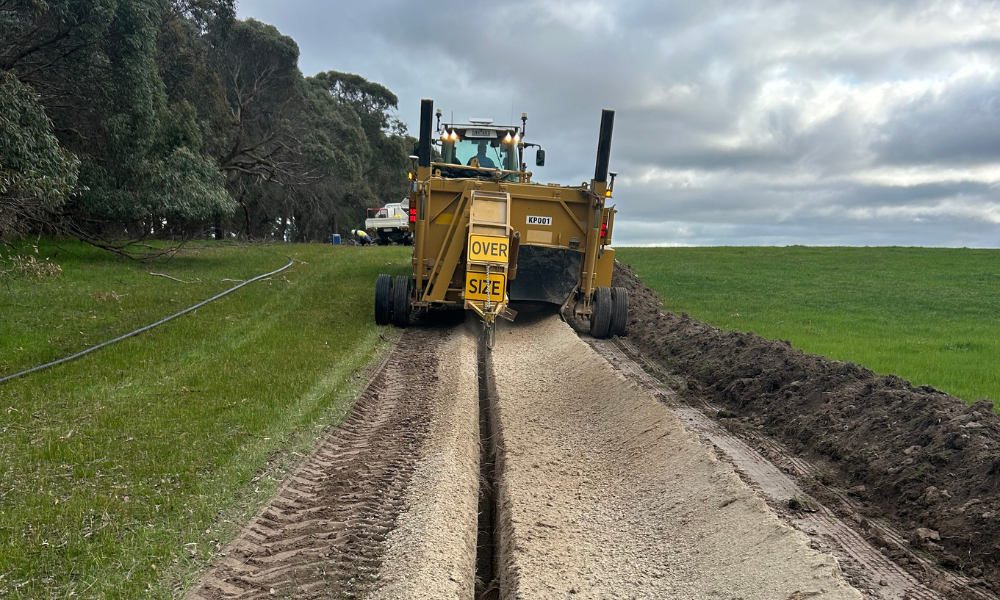
Trenching for small pipeImage credit: Grampians Wimmera Mallee Water
-
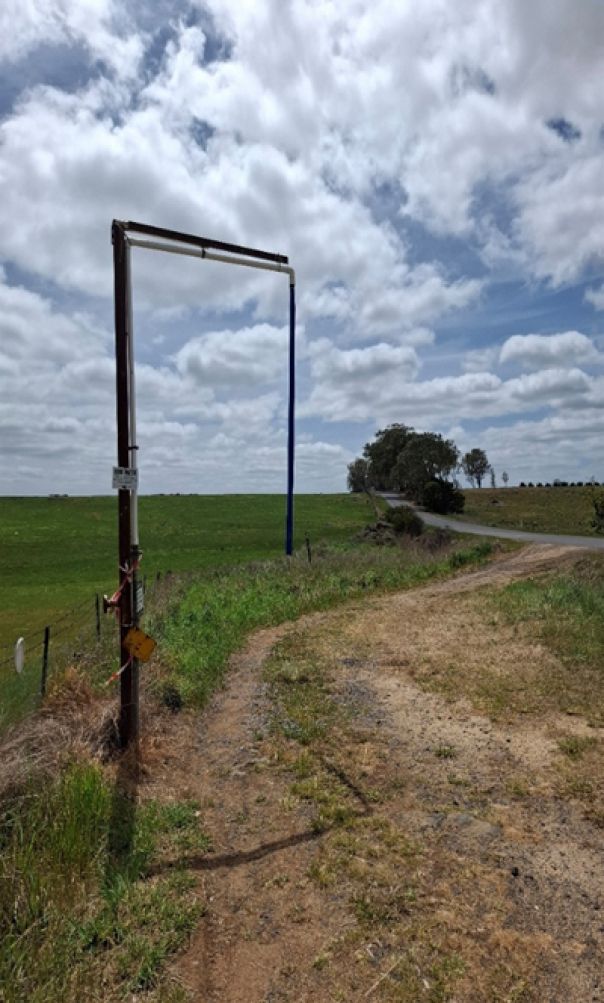
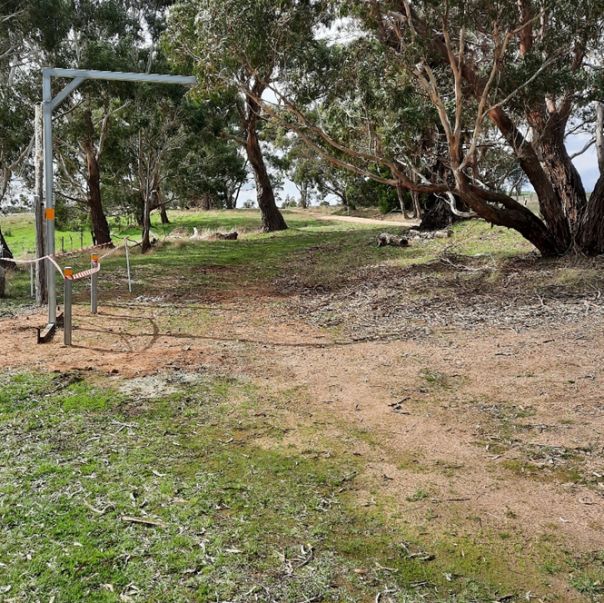
Emergency Water Supply PointImage credit: Mitchell Shire Council
-
Emergency Water Supply PointImage credit: Mitchell Shire Council
-
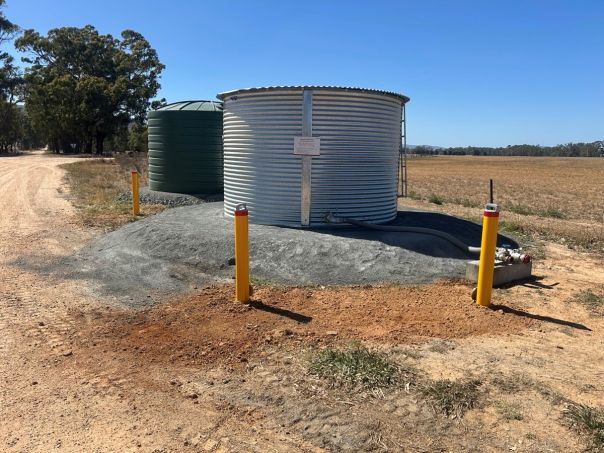
Emergency Water Supply Point: Wattle Creek Standpipe TanksImage credit: Central Highlands Water
-
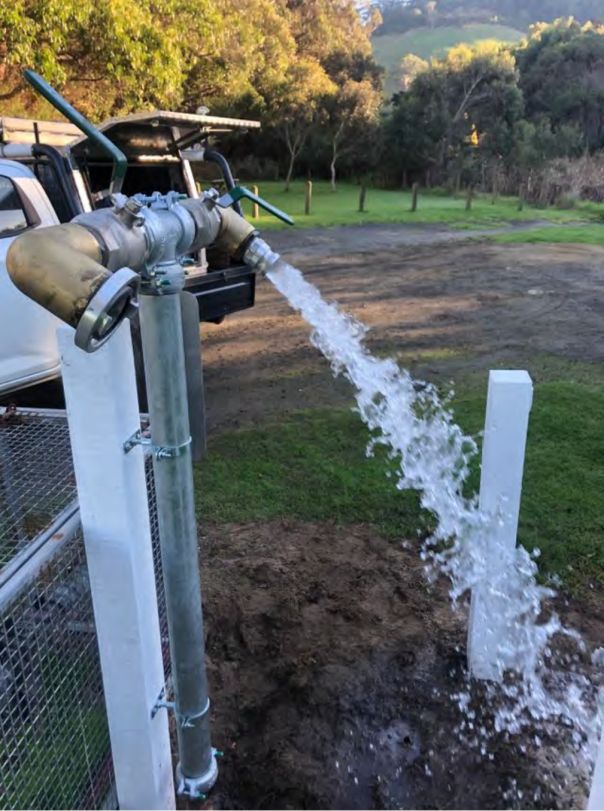
Skeens Creek upgraded dual hydrant riser to improve firefighting access in the Colac-Otway Shire CouncilImage credit: Southern Rural Water
-
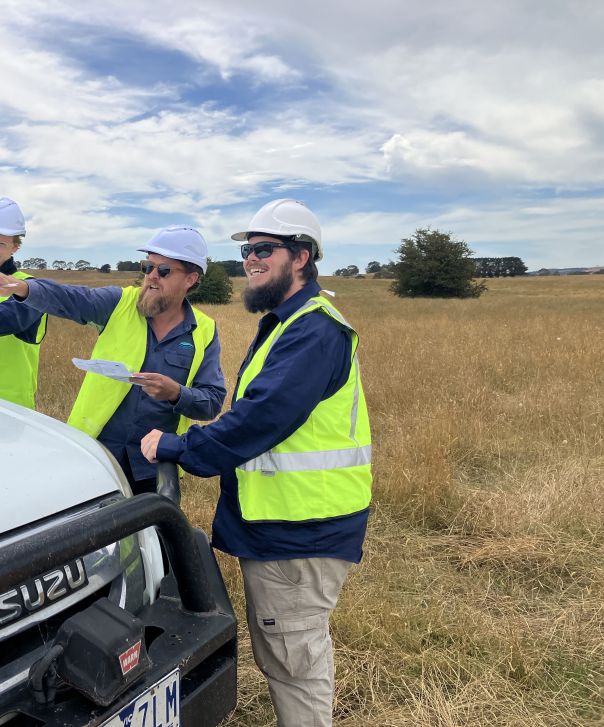
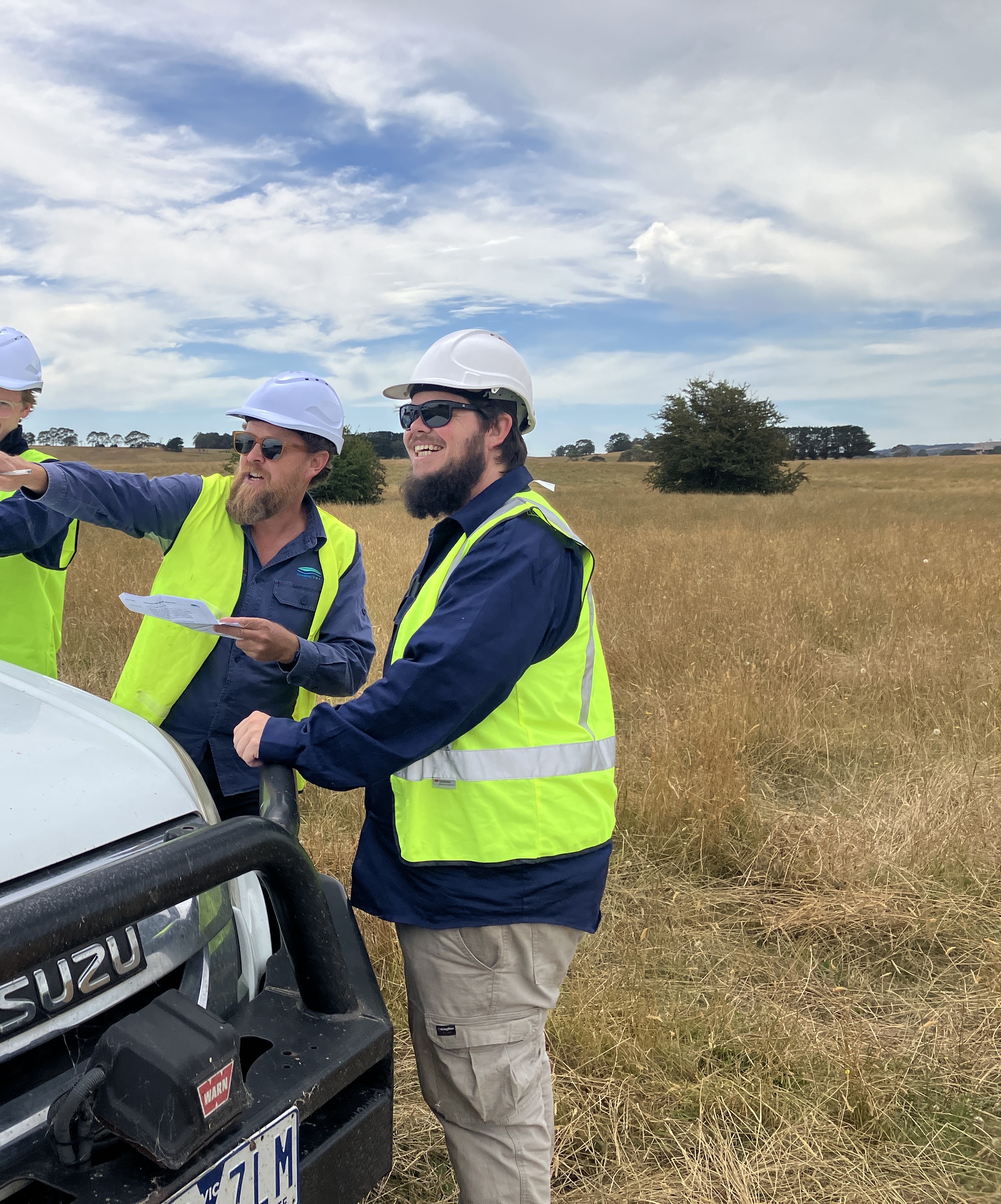
Patrick undertaking field work in the Upper Barwon catchment with CCMA project staff as part of the Drought Employment ProgramImage credit: Corangamite Catchment Management Authority
-
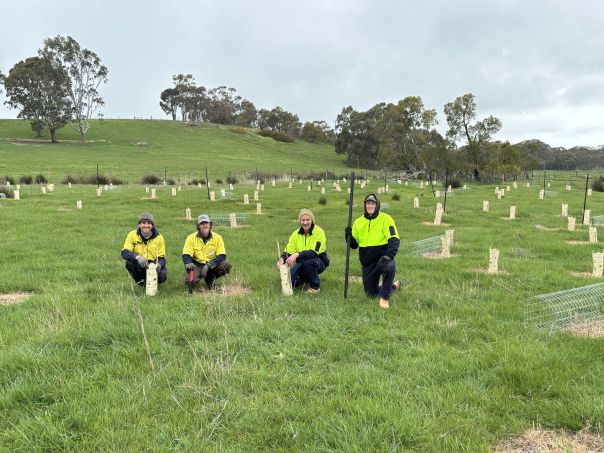
Drought Employment Program revegetation works at DunkeldImage credit: Glenelg Hopkins Catchment Management Authority
PVC Pipe being placed prior to install
Image credit: Grampians Wimmera Mallee Water
Vermeer Track Trenching for large PVC Pipe
Image credit: Grampians Wimmera Mallee Water
Trenching for small pipe
Image credit: Grampians Wimmera Mallee Water
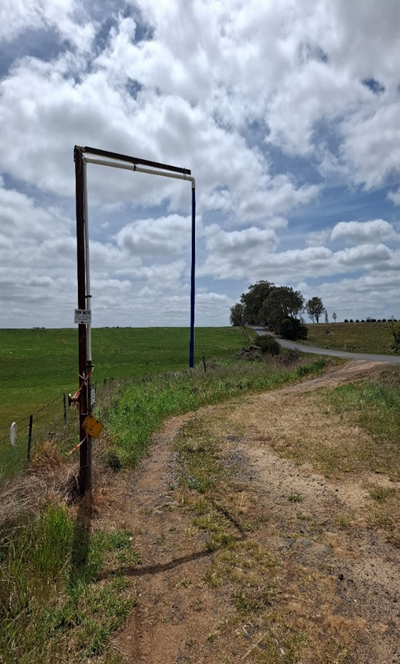
Emergency Water Supply Point
Image credit: Mitchell Shire Council
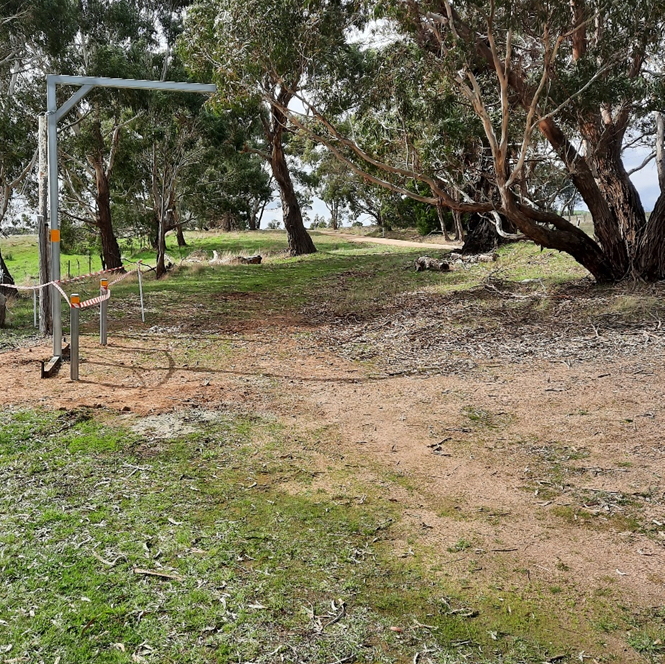
Emergency Water Supply Point
Image credit: Mitchell Shire Council
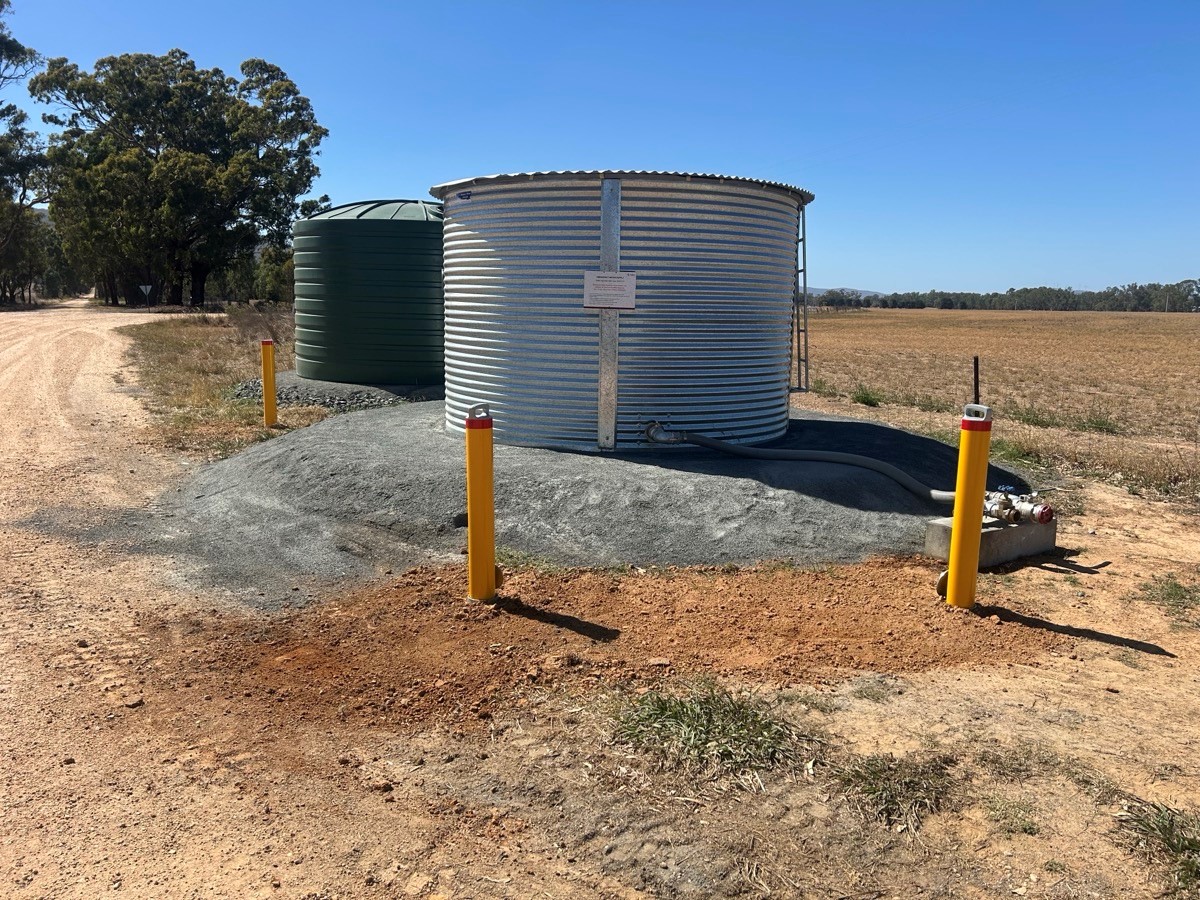
Emergency Water Supply Point: Wattle Creek Standpipe Tanks
Image credit: Central Highlands Water
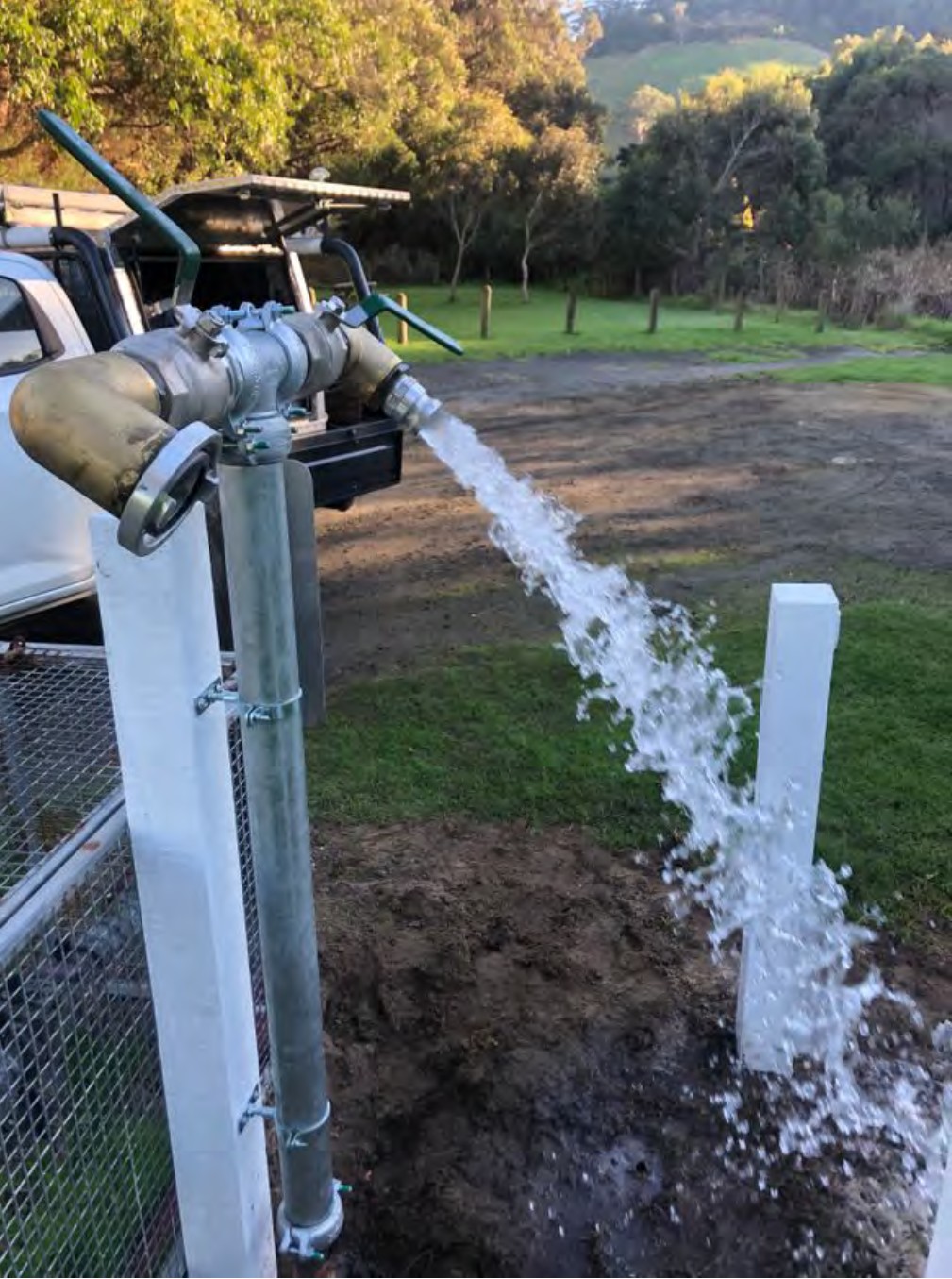
Skeens Creek upgraded dual hydrant riser to improve firefighting access in the Colac-Otway Shire Council
Image credit: Southern Rural Water
Patrick undertaking field work in the Upper Barwon catchment with CCMA project staff as part of the Drought Employment Program
The Victorian Government implements permanent water saving rules through water corporations to help manage our water efficiently. They help ensure our limited water supplies last through hotter, drier conditions.
Following these rules is important as they reduce pressure on storages so stricter restrictions are less likely. Water corporations also offer tips and tricks for saving water amid their own water saving rules.
If your dam or bore dries during extended low rainfall, your local water corporation can help you understand what’s happening and what your options are. They can provide guidance on:
a lowered groundwater table in your area or the condition of infrastructure may result in dried bores
your bore may need to be deepened, or a new bore may need to be drilled
the availability of alternative water sources locally, including their location, quantity, and any necessary approvals
options for buying water on the water market and how to go about purchasing it
the possibility of sharing water from private bores or dams with neighbours
whether you can trade water under a groundwater licence; and
accessing existing infrastructure to obtain water.
Complementary programs
These programs provide ongoing and longer‑term support that complements the Victorian Government’s drought response.
Emergency water access
Emergency Water Supply Points provide a safety net during prolonged dry conditions by ensuring farmers and communities can still access water for essential needs when local supplies run low.