
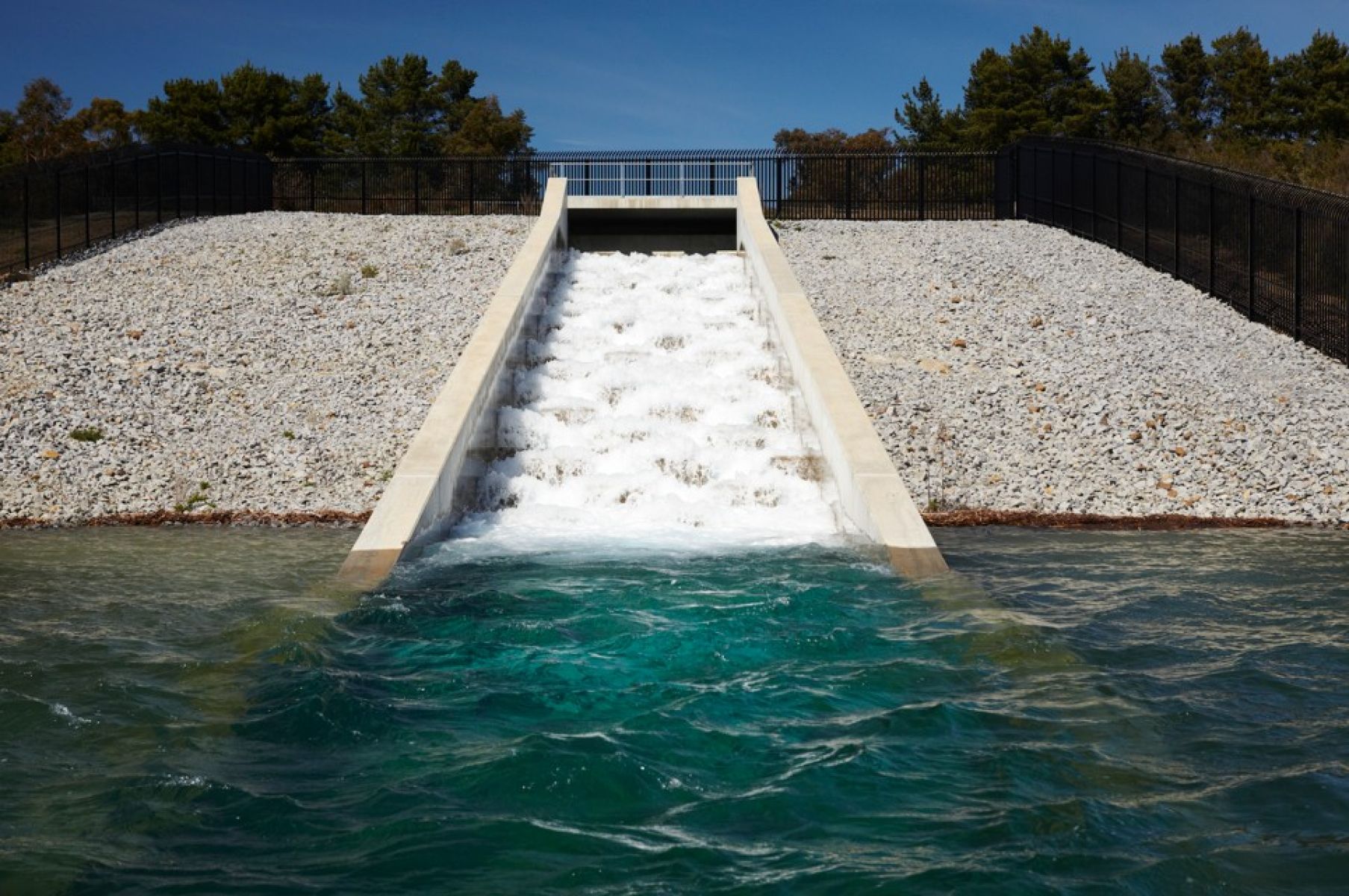
The decision to order for 150 billion litres from the Victorian Desalination Plant is informed by technical advice provided by Melbourne Water. This is developed in collaboration with the metropolitan water retailers.
This advice is provided to the Minister for Water in March each year to ensure water is only ordered when needed.
The Victorian Desalination Plant separates salts from seawater and produces high-quality drinking water. A transfer pipeline pumps the water into our catchments and supplies our growing population.
The advice considers the latest water storage conditions, projected water demands, and a wide range of forecast climate conditions to find the right balance between the objectives of managing the security of supply and minimising impacts on customer bills.
Melbourne’s water storages sit at 67.2% on 7 April, compared to last year’s level of 75.4%. Geelong’s storages have also dropped to 37.1% as of 7 April, compared to last year's 41.4%.
Melbourne’s diverse water supply measures are managed to make sure our system is reliable and less reliant on rainfall. Our water supply system cannot rely on rainfall alone, as on average, our annual water usage is already exceeding the amount of water that can be reliably supplied from our catchments.
This boost to supplies also means additional water can be provided to the areas around Melbourne including Geelong, the Bass coast and Phillip Island.
In a drought, storage levels can fall by up to 20% in a single year, more than the desalination plant can produce, so proactive orders are essential to maintain system health.
The Victorian Desalination Plant can provide up to one-third of the Melbourne’s annual water demand and since 2016-17, it has provided 505 billion litres of safe drinking water.
Read more about the desalination plant: Desalination.
Page last updated: 07/04/26