
Melbourne is turning to desalinated water sooner than expected, as reservoir levels continue to fall across the city’s catchments.
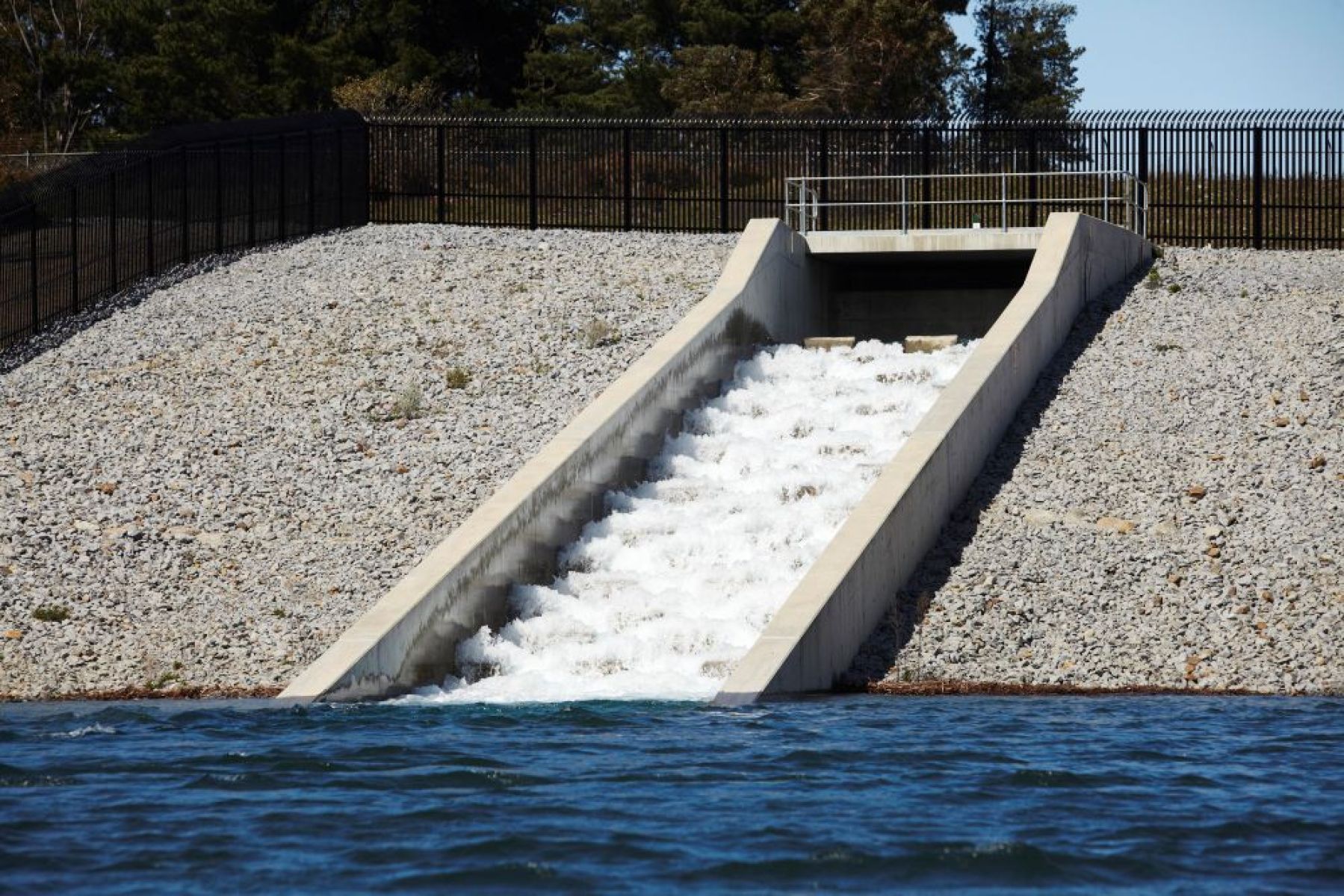
Desalinated water is already being delivered into Cardinia Reservoir a full month ahead of schedule. The early transfer is designed to stabilise water supplies, with storage levels now sitting below 64%, their lowest point since winter 2020.
While recent rainfall has offered some relief, the broader trend tells a different story. Water storages across Victoria have been gradually declining for more than 2 years. In fact, without support from Melbourne’s system, storages in the Geelong region would already be at critically low levels, requiring severe water restrictions.
To help shore up supplies, the Victorian Desalination Plant will generate 150 billion litres of water over the coming year, roughly the equivalent of 60,000 Olympic-sized swimming pools. Current projections suggest that similar volumes may also be needed in 2027–28 and 2028–29, although this will depend on future rainfall and inflows.
Over the past decade, the plant has delivered more than 500 billion litres of drinking water. Unlike traditional water sources, desalinated water is independent of rainfall, making it a crucial component of Victoria’s long-term water security strategy.
Importantly, the benefits extend beyond Melbourne. The desalination plant plays a key role in supporting water supplies for regional communities connected to the grid, including Geelong, South Gippsland and Phillip Island.
Our approach to water security is multi-faceted. Alongside desalinated water, it includes water efficiency programs, recycled water use, stormwater treatment and, when necessary, water restrictions — all working together to ensure reliable supplies into the future.
Learn more about desalinated water on our page, Desalination.
Page last updated: 29/06/26